Geotechnical · Civil · Environmental
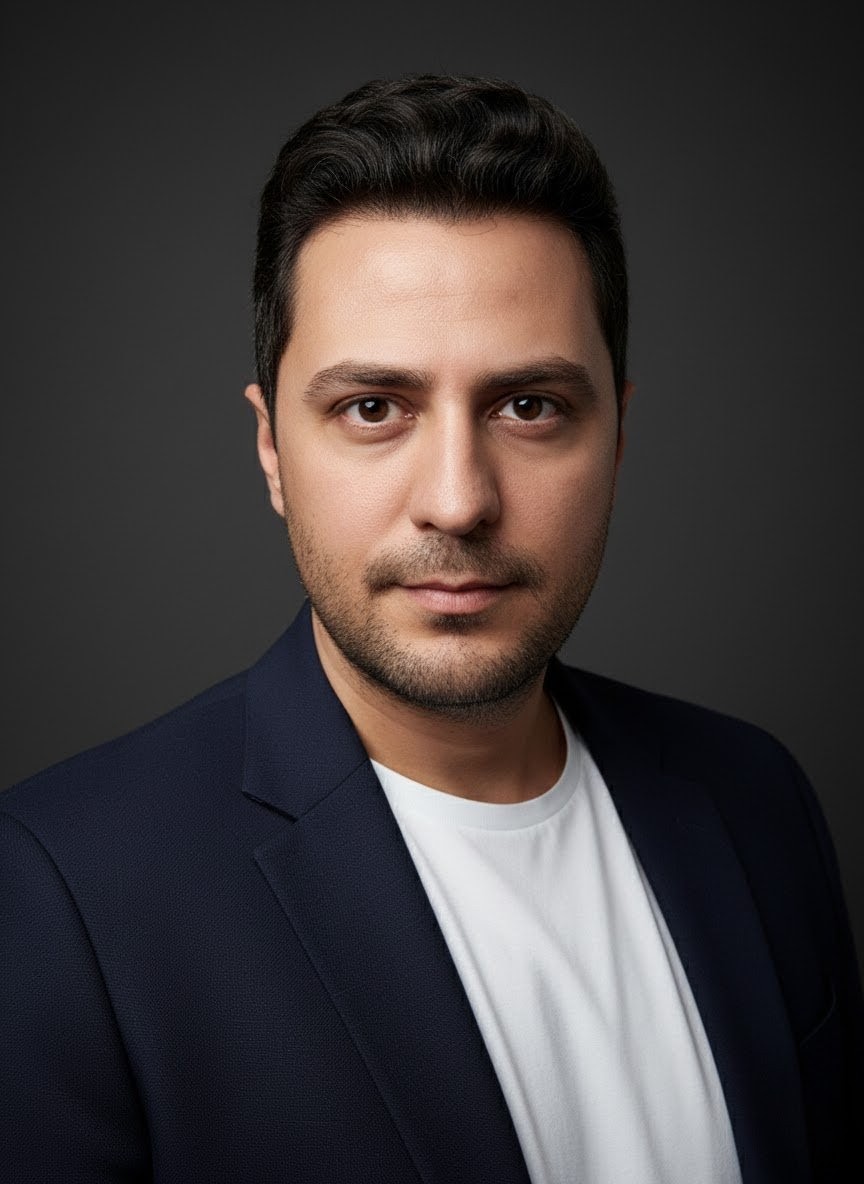
Ahmet Ali MERT
Geotechnical & Civil Engineer · PhD, MSc · Infrastructure, Environment & Project Delivery
Owner's engineer at Türkiye's State Hydraulic Works (DSİ) — independent geotechnical review for dams, spillways and diversion tunnels. PhD on slope stability, MSc from The University of Texas at Austin, and 10+ years across owner-side delivery, design consultancy and construction management on large, safety-critical projects. I turn rigorous analysis into constructible, cost-aware solutions — from site investigation and ground modeling to deep excavations, foundations and independent design verification.
Start with the 2-page CV — the 4-page version adds project detail, the 1-page résumé is for a quick scan.
About Me
I am a multidisciplinary engineer working at the intersection of geotechnical, civil and environmental engineering. My background combines national-scale infrastructure delivery with international research. Across design, construction support and handover, I serve as the technical authority on challenging projects involving deep cuts, diversion tunnels, dam spillways and complex geology.
My strengths span advanced numerical modeling, seismic analysis and ground-investigation planning, alongside an environmental engineering background (dual degree, Valedictorian) and hands-on project and construction management. I am committed to bridging theory and constructible practice in multidisciplinary teams, with a proven ability to challenge overconservative assumptions and deliver cost-aware solutions.
“I want to see different projects in different countries.”
Education
-
PhD, Civil Engineering (Geotechnical)Eskişehir Technical University · 2020–2026Static/dynamic stability of hydraulic-structure slopes · GPA 3.92/4.00 · Dissertation (PDF)
-
MSc, Civil Engineering (Geotechnical)The University of Texas at Austin · 2017–2019Thesis on Oso Landslide soils · Graduate Dean's Prestigious Fellowship. · Thesis (PDF)
-
MSc, Soil Mechanics & Geotechnical Eng.Istanbul Technical University · 2013–2015GPA 3.63/4.00 · Coursework completed.
-
BSc, Civil Eng. & BSc, Environmental Eng. (Double Major)Anadolu University · 2007–2012 · MÜDEK / EUR-ACE®Top-5 in Civil; Valedictorian in Environmental. Erasmus: Brno Univ. of Technology (2010). · BSc thesis (PDF)
Experience
-
Senior Geotechnical EngineerState Hydraulic Works (DSİ) — Owner's EngineerAug 2019 – Present · Ankara, Türkiye
- •Define the scope: technical specifications and contract documents for geotechnical investigation and engineering consultancy services, and technical evaluation of the consultants and contractors that deliver them.
- •Direct external design vendors from basis of design through to issued-for-construction, as lead client reviewer of investigation reports, designs, drawings and stability analyses.
- •Coordinate drilling, sampling, laboratory and in-situ testing — pressuremeter, Lugeon, SPT/CPT, UCS, point load and triaxial — and interpret the results into project-specific ground models, design parameters and baseline documentation that makes assumptions and uncertainties explicit for ground-risk management.
- •Develop stabilization and excavation-support concepts with comparative option assessments — prestressed anchors up to 65 m, piles, soil nails and rock bolts, MSE and other retaining systems, drainage, reprofiling, ground improvement and rockfill buttresses.
- •Sit on the provisional, interim and final acceptance commissions that payment certificates depend on, and produce technical solutions when a regional directorate reports a critical problem from site.
-
Civil Works & Construction ManagerHuawei Technologies Co. Ltd.May 2014 – Jan 2016 · Istanbul, Türkiye
- •Delivered civil works nationwide for Türkiye's first 4G LTE program — base-station foundations, small structures, buried utilities and fibre trenching — coordinating around 15 subcontractor teams across many concurrent sites in more than 20 provinces.
- •Rebuilt on-site concrete practice: standardized slump testing, curing and concrete-cover details, introduced vibrator use and Schmidt-hammer rebound testing, and prepared aggregate–water–cement mixes so the specified C20/25 was reliably met — including site batching where access made ready-mix impossible.
- •Identified that equipment slabs were being cast onto the tower leg columns — outside the tower design — causing backfill settlement and additional stress in the columns; separated the slab from the columns and developed a drained gravel backfill detail that limits settlement through bearing capacity.
- •Closed the internal audit findings behind these settlement and low-strength issues in under six months: hands-on training for subcontractor foremen, work crews and site managers, a concrete application guide covering cold-weather placement, checklists and briefing material — after which sites documented slump, vibration, cover and strength with photographic reports.
-
Geotechnical Design EngineerEmay International Engineering & ConsultancyOct 2012 – Dec 2013 · Istanbul, Türkiye
- •Delivered the geotechnical design of more than ten structures — viaducts, overpasses and underpasses on the North Marmara Highway & 3rd Bosphorus Bridge (BOT) project, plus municipal bridge renewal and strengthening works.
- •Derived soil and rock design parameters from borehole, in-situ and laboratory data — with the testing program set together with the geological engineers — and ran the bearing-capacity, settlement and stability analyses behind the geotechnical design and as-built reports.
Mentoring: Mentor, KAUST Gifted Student Program · International orientation advisor, UT Austin · MÜDEK student evaluator (voluntary).
Areas of Expertise
A broad, transferable skill set built across design, research and owner-side delivery.
Geotechnical Engineering
Hydraulic & Civil Infrastructure
Environmental Engineering
Project & Construction Management
Numerical Modeling & Software
Research & Academia
Key Engineering Projects
 Dam · Spillway
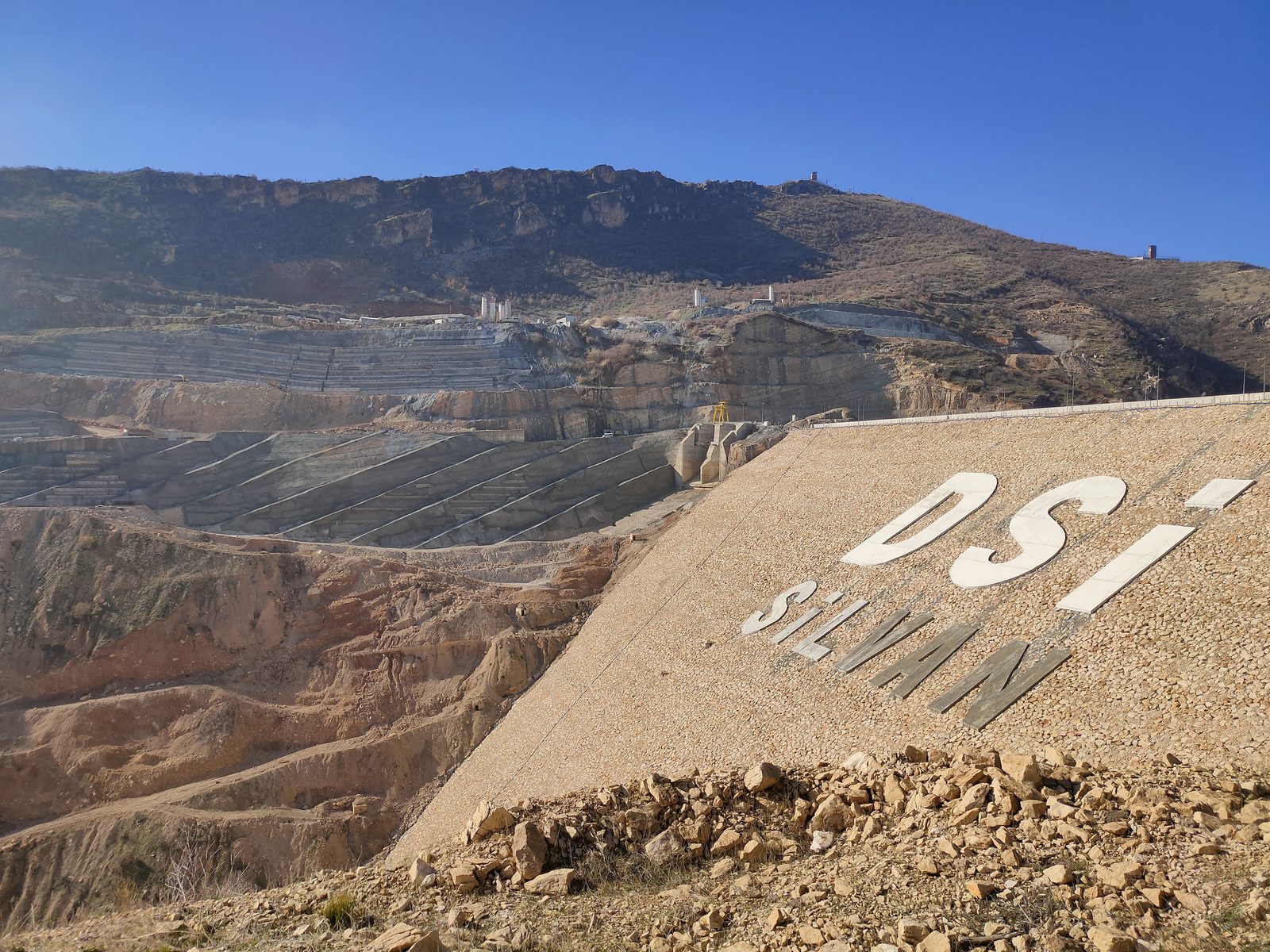
Silvan Dam
One of the world's highest CFRDs (~175 m)
Spillway excavations in very deep colluvium, where a landslide that developed during construction had to be back-analyzed and stabilized.
Case study
- Role
- Owner-side geotechnical engineering. The support of the spillway excavations and the landslide remediation took shape section by section, together with the consultant firm as designer of record and an academic advisor. I led the design effort within that work — developing my own analyses and support solutions, and evaluating the alternatives put forward so that the most suitable one was selected on a cost–performance basis.
- Ground conditions
- Very deep, heterogeneous colluvium with high groundwater and seepage. The blocky matrix made undisturbed sampling and SPT unreliable; design parameters were derived from pressuremeter and core data and, above all, from back-analysis.
- Problem
- At one of the world's highest concrete-faced rockfill dams (175.5 m), the major spillway excavation cut into a very deep colluvial mass. A landslide developed in one section during construction.
- Approach
- Back-analysis of the landslide, combining inclinometer readings, core data and pressuremeter results to calibrate the shear surface and residual strength parameters. Independent limit-equilibrium and finite-element verification (Slide2, PLAXIS 2D, RS2). Comparative assessment of stabilization options.
- Contribution
- Design, review and refinement of the deep-seated stabilization measures: selection of the support parameters, the supporting calculations and their application; high-capacity prestressed anchors up to 65 m, with bond parameters verified by performance, proof and lift-off tests. The results fed back into the anchor and excavation layouts.
- Deliverables & outcome
- Design review comments · independent analysis verification · stabilization alternatives. Built on site, verified through testing and load-cell measurements, and inspected in place during construction.
 Tunnel · Remediation
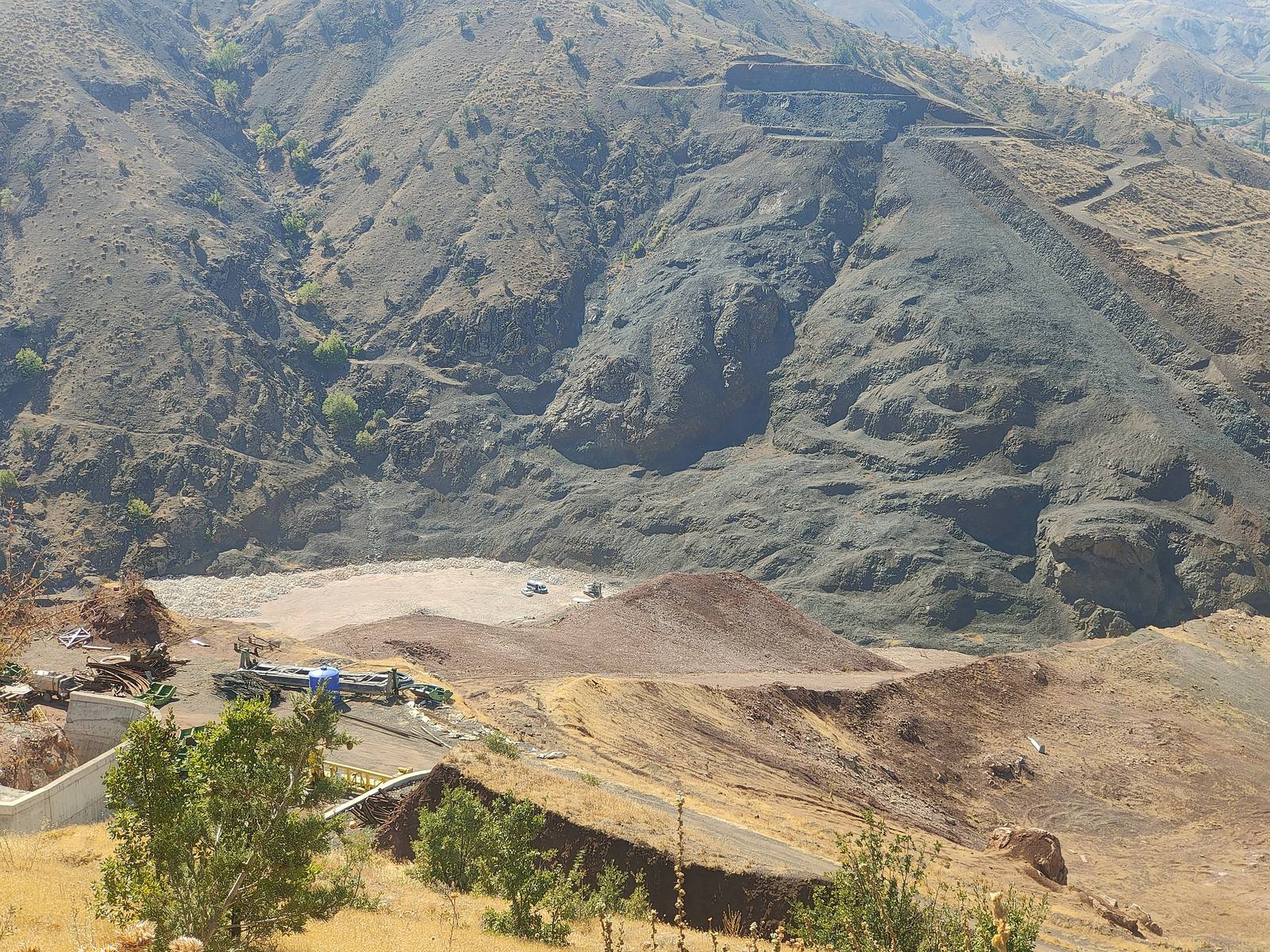
Koçali Dam
Tunnel remediation & spillway redesign
Contributed to remediation of a major diversion-tunnel instability through expanded investigations, paleo-landslide back-analysis (InSAR/inclinometers), redesign into more stable bedrock, and an alternative Morning Glory shaft spillway concept.
 Coordination · Geotechnical Design
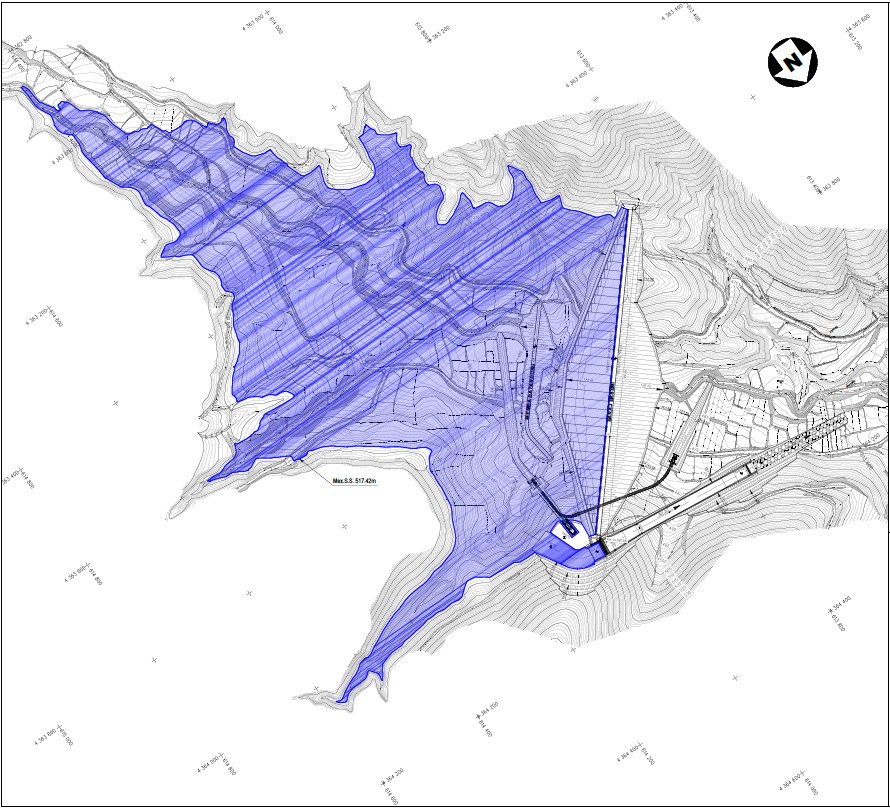
Okçular, Oyuklu & Hamzalı Dams
Owner-side coordination & design verification
Owner-side technical coordination and design verification across three dam projects — covering not only the geotechnical work but also the hydraulic calculations for the water-conveying structures.
Case study
- Role
- Owner's engineer and general project coordinator: carrying the process end to end within the DSİ framework and securing contractual compliance. Reviewing on the owner's behalf, not designer of record.
- Coordination
- Resolving inconsistencies between internal units, the regional directorates and the consultants through formal technical correspondence.
- Geotechnical review
- Reviewing and correcting bearing-capacity, settlement and slope-stability analyses; questioning the ground model and the design parameters behind them; independent LE/FE verification where warranted.
- Hydraulic review
- Beyond geotechnics, on the owner's behalf: head and discharge-capacity calculations, flood routing (PMF and design return periods), Ogee crest geometry, energy dissipators (stilling basins, flip bucket, ski-jump, baffle blocks), stability of chute slabs and walls under uplift, and cavitation risk in high-velocity flow. For diversion tunnels: capacity verification, head-loss and velocity checks, transient and surge pressures, bypass and flow-transition structures.
- Deliverables
- Formal opinions and revision requests · independent analysis verification · safety factors checked against DSİ, ICOLD and international guidance · consistency review across the geotechnical, hydraulic and structural deliverables.
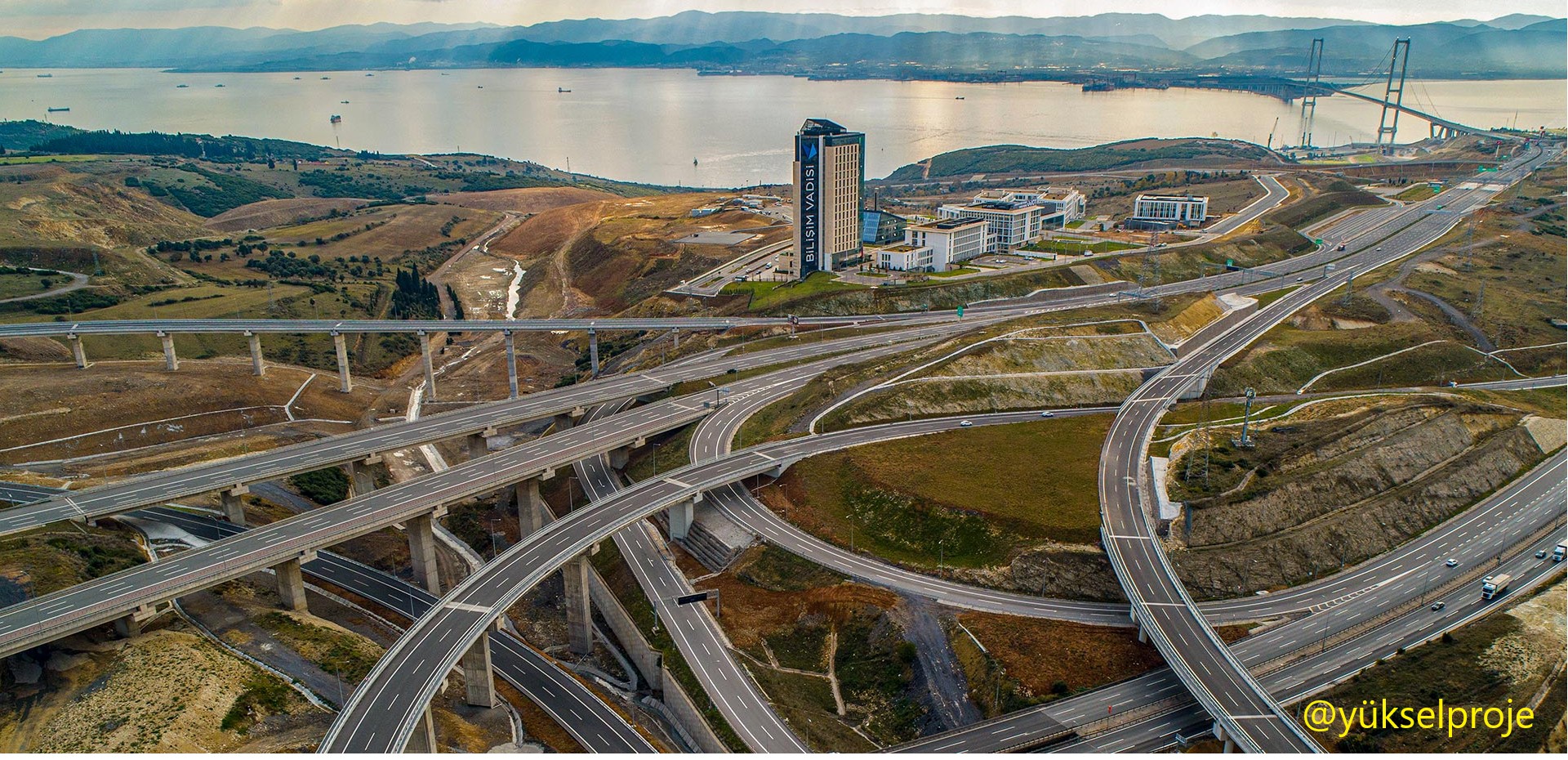 Bridges · Viaducts
North Marmara Highway & 3rd Bosphorus Bridge
Geotechnical design · 2012–2013
Geotechnical design for the viaducts, overpasses and underpasses of this BOT project.
Case study
- Role
- Geotechnical design engineer on the consultant side, at Emay International Engineering & Consultancy.
- Scope
- More than ten structures: viaducts, overpasses and underpasses along the highway, together with municipal bridge renewal and strengthening works.
- Ground characterization
- The field and laboratory testing program was set together with the geological engineers, working from the core samples taken and still to be taken. Borehole, in-situ and laboratory results were turned into soil and rock design parameters, with rock-mass characterization in RocLab, ground profiles and documented design assumptions.
- Analysis & design
- Bearing-capacity, settlement and slope/global-stability analyses for shallow and deep foundations, high embankments and retaining structures, on spreadsheet calculation sets.
- Deliverables
- Geotechnical design reports and as-built reports, produced in coordination with the structural department and the geological engineers.
Research & Publications
Six anonymized case studies of excavated slopes next to hydraulic structures, spanning colluvial deposits, ophiolitic mélanges, saprolitic granodiorites and water-sensitive sedimentary sequences. Field monitoring (inclinometers, InSAR) and laboratory testing combined with limit-equilibrium and finite-element modeling, including fully coupled dynamic time-history analysis with the Hardening Soil Small-Strain model.
Saturation, not load, is the driver. Wetting degrades rock-mass parameters — GSI and UCS — sharply enough to control stability, which is why the work proposes a “Dual-State” strength characterization instead of a single design set.
The over-engineering trap. Simplified pseudo-static and Level-1 instantaneous drawdown idealizations often dictate massive structural overdesign. Level-2 transient seepage analyses and post-event dynamic evaluation of the 2023 seismic sequence show where that margin is spent for nothing.
Shallow reinforcement cannot reach the problem. With failure surfaces at 14–40 m in intermediate geomaterials, standard shallow reinforcement is kinematically incompatible. What works is high-capacity active anchoring, proactive deep sub-drainage, or topographic restoration by massive passive weighting such as rockfill buttresses.
Methods · Slide2 (LEM) · RS2 & PLAXIS 2D (FEM, strength reduction) · HS-Small · fully coupled dynamic time-history · PEER record selection and scaling · Level-2 transient seepage / rapid drawdown · Newmark permanent-displacement assessment
Static and Dynamic Stability Assessment of Slopes Adjacent to Appurtenant Hydraulic Structures and Stabilization Recommendations
Mert, A.A. (2026). PhD Dissertation, Eskişehir Technical University.
Full text (PDF)Overcoming Geological Challenges in the Construction of a CFSGD Diversion Tunnel
Mert, A.A., Salman, M. & Çalışkan, F. (2026). Presented at the ITA-AITES World Tunnel Congress (WTC 2026), Montréal, Canada.
Stability of Portal Slopes of a Diversion Tunnel after the Kahramanmaraş Feb 6, 2023 Earthquakes
Mert, A.A. & Çalışkan, F. (2024). ITA-AITES World Tunnel Congress (WTC 2024), Shenzhen, China.
Performance of Sürgü, Kartalkaya and Tahtaköprü Dams During Feb 6, 2023 Earthquakes
Demirdöğen, S., Mert, A.A. et al. (2024). 7th Meeting of EWG, ICOLD — Dams and Earthquakes.
New Trends in Determination of Soil Properties
Karslıoğlu, A., Mert, A.A. & Onur, M.İ. (2021). European Journal of Science and Technology, Special Issue 28.
Geotechnical Effects of Hurricane Harvey in the Houston, Beaumont, and Port Arthur Areas
Wooten, R.L., Mert, A.A. et al. (2020). ISSMGE International Journal of Geoengineering Case Histories, 5(4).
Geotechnical Properties, 1-D Consolidation Behavior and Liquefaction Susceptibility of Glaciolacustrine Clays from the Oso Landslide
Mert, A.A. (2019). MSc Thesis, The University of Texas at Austin.
Full text (PDF)Flood Mapping in Middle Porsuk Basin Using Geographic Information Systems (ArcGIS), Hydrologic (HEC-HMS) and Hydraulic (HEC-RAS) Modeling
Mert, A.A., Küçükkaya, B. & Aydoğan, Y. (2012). BSc Thesis, Anadolu University.
Contact
Open to roles and collaboration across geotechnical, civil, environmental and infrastructure engineering — including owner's-engineer, design-review, research and project-management opportunities in the EU and internationally.
Mühendis TEK-SEN Enerji
As the representative of the Mühendis TEK-SEN Enerji engineers’ union at the General Directorate of State Hydraulic Works (DSİ), I help colleagues reach it easily — its membership application and social channels are below.